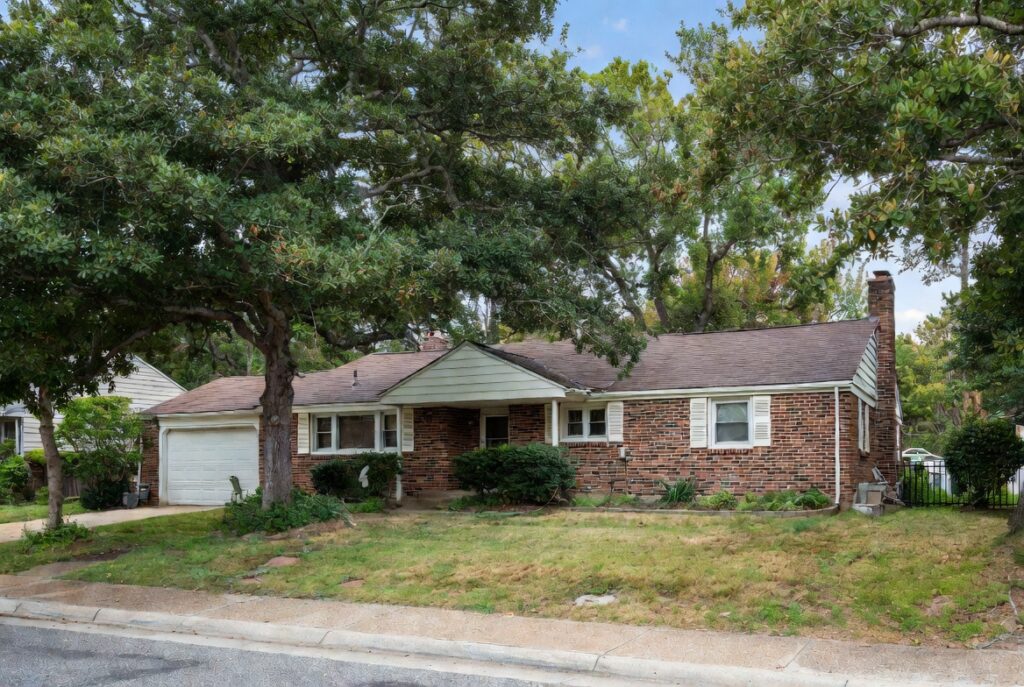
Inheriting a house in Maryland puts you in a position most people are not prepared for. You may be grieving, dealing with siblings or co-heirs, navigating probate for the first time, and trying to decide what to do with a property, often all at once. This guide covers your actual options, the Maryland probate basics you need to know, the tax advantage most heirs miss, and how to sell an inherited house in Maryland if that is the right move. James Armel is a licensed Maryland real estate agent who works with heirs regularly and gives straight answers, not a sales pitch.
🏆 14+ Years Experience
Working with Maryland heirs and estate sellers since 2012
⭐ Five-Star Rated
Trusted by families across Southern Maryland
💰 Cash Offer Available
Fast close with no repairs, no showings required
Need a fast close on an inherited property? See how cash home buyers in Southern Maryland work, or selling as-is in Southern Maryland.
Table of Contents
Your Options When You Inherit a House in Maryland
When you inherit a house in Maryland, you generally have four paths:
1. Move in. If the home fits your situation and you want to live there, this is straightforward, though you will need to handle probate and title transfer first.
2. Rent it out. Inheriting a paid-off property can be a meaningful income asset. Before going this route, understand the carrying costs (property taxes, insurance, maintenance) and the Maryland landlord-tenant obligations.
3. Sell it. Most heirs ultimately sell. If the home is not local, if there are co-heirs who need their share of the proceeds, or if the property needs repairs you do not want to fund, selling is the cleanest resolution. You can list on the MLS, sell as-is, or accept a cash offer.
4. Let it sit. This is rarely a good option. Vacant homes deteriorate, carry ongoing costs, and create liability. If you are undecided, a short conversation with James about current market value will help you move toward a decision.

How Does Maryland Probate Work on an Inherited House?
In Maryland, an inherited house typically must go through probate before it can be sold, unless it was held in a trust, in joint tenancy with right of survivorship, or passed through another non-probate mechanism. Probate is the court-supervised process that validates the will, appoints a personal representative (executor), pays any creditors, and transfers assets to heirs.
Maryland has two probate tracks: Small Estate Administration for estates with gross value under $50,000 (or under $100,000 if the entire estate passes to a surviving spouse), and Regular Estate Administration for everything else. A typical residential property in Charles County, St. Mary’s, or Calvert County will almost always trigger Regular Administration.
The timeline for Regular Administration in Maryland typically runs 6–12 months from the date of death, though simple estates with a clear will and no disputes can move faster. The personal representative has authority to list and sell real property during administration, you do not need to wait for probate to close to put the home on the market in most cases.
Maryland probate is handled through the Register of Wills in the county where the deceased resided. For Southern Maryland estates, that means the Charles County Register of Wills (La Plata), the St. Mary’s County Register of Wills (Leonardtown), or the Calvert County Register of Wills (Prince Frederick). You can find county contact information at registers.maryland.gov. This page does not constitute legal advice, consult a Maryland estate attorney for your specific situation.
The Stepped-Up Basis Tax Advantage on an Inherited House in Maryland
Most heirs are unaware of the stepped-up basis rule, and it is one of the most valuable tax advantages in the U.S. tax code. Here is how the calculation works in Maryland.
When you inherit a home, your cost basis for capital gains purposes is reset to the fair market value of the home on the date of the decedent’s death, not the original purchase price. This means that decades of appreciation effectively disappear for tax purposes.
Example: Your parent bought a home in Charles County in 1985 for $180,000. At the time of their death in 2025, the home was appraised at $450,000. Your stepped-up basis is $450,000. If you sell the home for $450,000 shortly after inheriting it, your capital gain is $0, you owe no federal capital gains tax on any of that $270,000 in appreciation.
If you wait and sell later, only the appreciation above $450,000 is subject to capital gains tax. This rule applies to federal taxes; Maryland does not have a separate inheritance tax on property passing to direct lineal heirs (children, grandchildren). Heirs who are not lineal relatives may owe Maryland inheritance tax, consult a tax advisor for your specific situation.
Should You Sell As-Is or Fix Up an Inherited House in Maryland?
Most inherited homes in Southern Maryland have not been updated in years. Original HVAC, aging roofs, cosmetic issues, sometimes deferred maintenance that accumulated while the previous owner’s health declined. The question is whether it makes financial sense to repair before selling.
The honest answer: most major renovations on inherited homes do not return their cost. A $30,000 kitchen update on a home that sells for $380,000 either way does not make sense. Minor cosmetic work, a coat of paint, professional cleaning, landscaping, typically does pay back. James will tell you which category your specific repairs fall into, based on what current buyers in your sub-market expect.
If the home is in poor condition, a cash offer is often the cleaner path. An as-is sale means no repairs, no showings, no inspection period, and a predictable close date, which matters when co-heirs need their share of the proceeds or when the estate needs to close quickly to satisfy creditors.

Why Work With James Armel When Selling an Inherited Home?
James has worked with heirs, personal representatives, and estate attorneys on inherited property sales across Charles, St. Mary’s, Calvert, and Prince George’s counties. He understands the probate timeline, the documentation a title company needs, and how to handle a sale that involves multiple heirs who may not all agree on timing or price.
He is honest about value. If the home needs work, he will tell you what it will cost and whether it makes financial sense to do it. If a cash offer is the right answer, he can connect you with investors who close fast. If listing on the MLS is the better path, he will explain the marketing strategy and realistic timeline.
JPAR Real Estate gives James the brokerage infrastructure to handle any scenario, including court-approved sales, probate listings, and out-of-state heir coordination. His focus is Southern Maryland, which means he knows the market and is available when you have questions. See also: sell as-is in Southern Maryland · cash home buyers in Southern Maryland · expired listing in Southern Maryland
Two Licensed Sets of Eyes on Your Inherited Sale
James works alongside Aimee Armel, also a licensed Maryland real estate agent. On an inherited property sale, where documentation requirements are stricter and the stakes for co-heirs are higher, having two experienced agents reviewing your transaction at every step, pricing, contract terms, repair negotiations, closing coordination, reduces the risk of an avoidable error.
Frequently Asked Questions: Inherited House in Maryland
Do I have to go through probate to sell an inherited house in Maryland?
In most cases, yes. If the home was held solely in the deceased’s name, probate is required to transfer title before a sale can close. Exceptions include homes held in a living trust, joint tenancy with right of survivorship, or tenancy by the entirety with a surviving spouse. A Maryland estate attorney can confirm whether probate applies to your situation.
How long does probate take in Maryland before I can sell an inherited house?
Regular estate administration in Maryland typically takes 6–12 months. Small estates under $50,000 qualify for simplified administration and move faster. You can list the home during probate, the sale simply cannot close until the court issues Letters of Administration granting authority to transfer title.
Will I owe capital gains tax when I sell an inherited house in Maryland?
Probably little or none. The stepped-up basis rule resets your cost basis to the fair market value at the date of death. If the home was worth $450,000 when you inherited it and you sell for $450,000, your taxable gain is zero. Only gains above the stepped-up value are potentially taxable. Consult a CPA for your specific situation.
Can I sell an inherited house in Maryland as-is?
Yes. Maryland law permits as-is sales, and inherited homes are among the most common candidates. Heirs often lack the budget, time, or desire to make repairs, and cash buyers actively seek estate properties. Selling as-is typically means a lower sale price but eliminates repair costs, carrying costs, and renovation delays.
Should I sell an inherited house in Maryland as-is or make repairs first?
Minor cosmetic work, paint, cleaning, landscaping, almost always pays back. Major renovations typically do not return their full cost on an inherited home. If the home is in poor condition or you need a fast close, an as-is cash offer is often the better financial decision when you factor in carrying costs, repair risk, and the cost of waiting.
Ready to Discuss Your Inherited House in Maryland?
James will pull current market value for the home, walk you through the probate considerations, and give you an honest read on your options, list, cash offer, or as-is sale. No commitment, no pressure.
📞 Call or text: (301) 751-9318
Want to understand what you will keep after the sale? Use the seller net proceeds calculator. Learn more about Maryland closing costs: Maryland seller closing costs guide. Learn more: sell as-is in Southern Maryland · cash home buyers in Southern Maryland · expired listing in Southern Maryland
Prefer to Talk First? Book a Free 30-Minute Call
Pick a time that works for you, no pressure, no obligation.
Or fill out the form below and James will reach out same day.
Frequently Asked Questions: Inherited House in Maryland
Frequently Asked Questions. Inherited Houses in Maryland
Do I have to go through probate before selling an inherited house in Maryland?
In most cases, yes. Maryland requires that the estate go through probate before a property can legally transfer to heirs and be sold. A small estate (under $50,000, or $100,000 if the sole heir is a surviving spouse) may qualify for a simplified process. Larger estates go through regular probate in the Register of Wills office in the county where the deceased lived, which typically takes 6 to 12 months. An estate attorney can tell you which process applies.
Will I owe capital gains tax on an inherited house in Maryland?
Probably not much, if anything. Inherited property receives a stepped-up basis, which means your cost basis is set to the fair market value of the home on the date of death, not what the original owner paid. If you sell shortly after inheriting and the home has not appreciated significantly, your taxable gain may be very small or zero. Maryland does not have a separate capital gains tax, gains are taxed as ordinary income at the state level.
Should I sell an inherited house in Maryland as-is or fix it up first?
It depends on condition, the local market, and how much time and money you want to spend. In Southern Maryland, well-maintained inherited homes often do well on the open market with minimal updates. Homes that need significant work may net more after a cash sale than after paying contractors, carrying costs, and selling expenses. I give heirs both numbers at the first meeting.
Can I sell an inherited house in Maryland if there are multiple heirs?
Yes, but all heirs with an ownership interest generally need to agree on the sale and sign the closing documents. If one heir wants to keep the property and others want to sell, the situation becomes more complex and may require legal intervention, including a partition action. Getting everyone aligned early in the process is the most important step.
How long do I have to decide what to do with an inherited house in Maryland?
There is no legal deadline to sell, but carrying costs accumulate quickly. Property taxes, insurance, utilities, and maintenance continue after the owner passes. Most estates also have ongoing expenses during probate. The longer a vacant inherited home sits, the more deferred maintenance builds up. Getting a clear picture of your options early lets you decide on your timeline rather than being forced into one.
Inherited a House in Maryland and Not Sure What to Do?
James can walk you through every option, no pressure. Fill out the form below.
Disclaimer: This page is for informational purposes only and does not constitute legal or tax advice. Probate law and tax rules vary by situation. Consult a licensed Maryland estate attorney and a CPA before making decisions about an inherited property.