Quick Answer: As-Is or Fix It Up?
The decision to sell as is in Maryland — or fix it up first — comes down to one question: do repair costs exceed what those repairs add to your sale price — and in Southern Maryland, buyers are more tolerant of imperfect condition than most sellers expect. Most cosmetic projects return less than their cost. The exception: anything that makes the home inspectable and insurable for financed buyers. Before spending a dollar on renovations, run the numbers on both options.
What Does “Selling As-Is” Actually Mean in Maryland?
To sell as is in Maryland means listing your home in its current condition without making repairs based on a buyer’s inspection findings. It does not mean hiding known defects — Maryland law requires sellers to disclose material facts about the property regardless of how it’s listed. It means your price reflects current condition, and buyers know going in that what they see is what they get.
In practice, as-is listings in Southern Maryland fall into a few categories: inherited homes that haven’t been updated in decades, properties with deferred maintenance, homes with a specific known issue (roof, HVAC, septic), and properties being sold by out-of-area owners who can’t manage renovations remotely. None of these requires a distress sale — but each calls for an honest pricing conversation. For more on what as-is transactions actually cost sellers, see Selling a House As-Is in Maryland: Honest Costs.
Which Repairs Add Real Value in Southern Maryland – and Which Don’t?
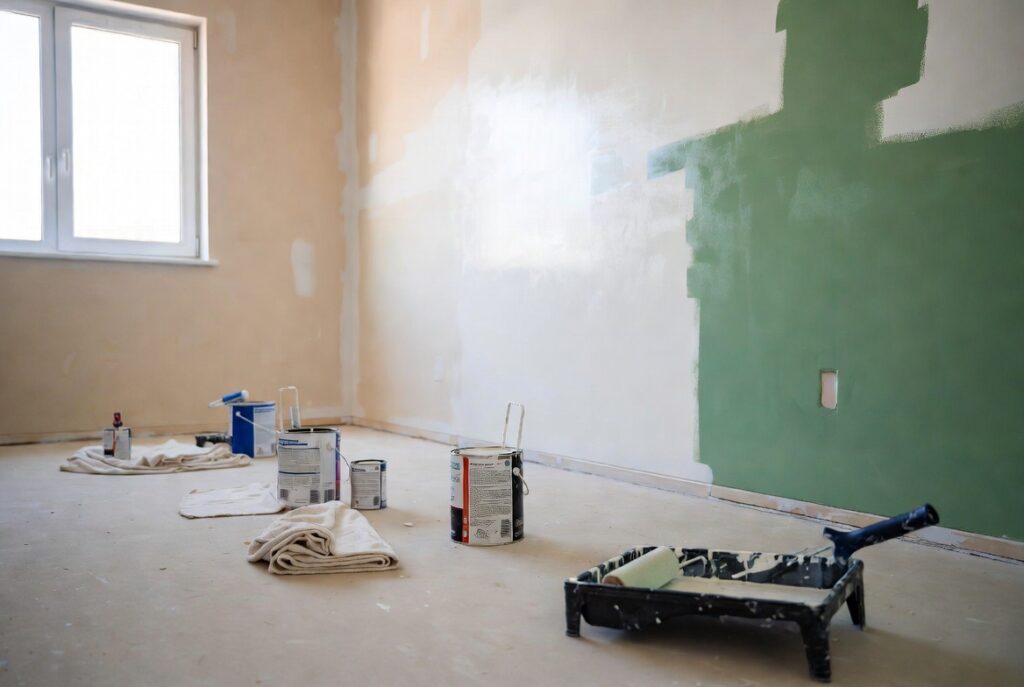
Most cosmetic repairs return less than their cost at Southern Maryland price points. Fresh paint and professional cleaning are the clearest exceptions — high-visibility, low-cost, and buyers register them immediately. Beyond that, the math gets harder fast.
As an active real estate investor who has bought and renovated homes across Charles, Calvert, and St. Mary’s County, James Armel has a direct read on what renovations actually cost versus what they return at sale. Projects sellers most often overestimate:
- Kitchen remodels: A full gut runs $25,000-$50,000+. In Southern Maryland’s price ranges, buyers factor in their own taste — a kitchen you paid to renovate may not be what they’d have chosen.
- Bathroom updates: Surface updates (vanity, fixtures, tile) at $3,000-$8,000 are easier to justify than full remodels.
- Flooring: New LVP can help, but many buyers prefer a closing credit so they can choose their own material.
- Roof replacement: If the roof has life left, price accordingly. If it’s failed, a credit at closing is usually cleaner than pre-listing replacement.
The repairs that do pay off: anything that makes the home inspectable and insurable. A failed septic, non-functional HVAC, or active water intrusion will kill financing — especially for FHA and VA loans, which represent a significant share of Southern Maryland buyers. Fix the functional issues; negotiate on the cosmetic ones.
What Do Southern Maryland Buyers Expect — and What Will They Overlook?
Southern Maryland buyers are generally practical. The buyer pool across Charles, Calvert, and St. Mary’s County skews toward military families, government workers, and experienced move-up buyers who understand that no house is perfect. Dated carpet or older kitchen cabinets won’t kill a deal the way they might in some urban markets.
What they won’t overlook: safety issues flagged by their inspector, anything their lender requires fixed for loan approval, and anything affecting core systems. An as-is listing that passes a basic inspection — functional roof, working HVAC, no active leaks — will attract serious financed buyers. One with unresolved functional issues narrows the pool to cash buyers only, which means a steeper discount.
The distinction matters for pricing. Cosmetic-only as-is homes can be listed slightly below comparable updated homes and still attract financed buyers. Homes with functional issues need to be priced for a cash-only pool — smaller, and more patient about discounts.
How Do You Calculate Whether As-Is or Fix-Up Nets More?

The framework: estimate repair cost, estimate how much they’d add to the sale price, then compare — factoring in holding costs while work is being done. If repairs cost $20,000 and add $18,000 in sale price, selling as-is nets more. If they cost $10,000 and add $20,000, doing the work makes sense.
Where sellers most often go wrong: underestimating repair costs (contractors cost more than expected, timelines slip) and ignoring holding costs — mortgage, taxes, insurance, and utilities for the weeks or months the house sits empty during renovation. Those carrying costs quietly eat into the fix-up scenario’s advantage.
Use the Maryland Seller Closing Cost Calculator to model your net proceeds, or ask James for a seller net sheet — he’ll run the numbers on both scenarios before you decide. See also: How Much Will I Net When Selling My Home in Southern Maryland?
Who Buys When You Sell As Is in Maryland?
Three buyer types dominate the as-is market in Charles, Calvert, and St. Mary’s County: cash investors, renovation-minded owner-occupants using rehab loans, and buyers looking for a lower entry price who are comfortable taking on work after closing.
Cash investors — including James — buy as-is homes to renovate and resell or hold as rentals. The advantage for sellers: no financing contingencies, faster closings (often 2-3 weeks), no lender-required repairs. The tradeoff: investors buy at a discount, because they need room for renovation costs and profit margin. The offer will be lower than what a financed buyer would pay for the same home in move-in condition.
This is why the answer is almost always: get both numbers before you decide. A cash offer tells you your floor. A realistic as-is list price tells you what the open market would pay. James will give you his honest cash number and his read on what financed buyers would offer — so you can compare without pressure.
When Does Doing Some Work Before Listing Actually Pay Off?
The case for pre-list work is strongest when: repairs are low-cost and high-visibility (paint, cleaning, landscaping), they’d open your buyer pool from cash-only to financed buyers, or the home needs specific items addressed to pass a lender inspection. In those cases, a targeted investment can meaningfully increase your sale price and reduce days on market.
The case for skipping it is strongest when: the work is extensive, your timeline is tight, you’re managing the sale from out of state, or the home is priced in a range where buyers expect to do work. In rural parts of Charles and St. Mary’s County, buyer expectations are calibrated differently than in suburban Waldorf or Lexington Park.
Maryland’s seller disclosure requirements apply regardless of condition. The Maryland Attorney General’s office outlines what sellers must disclose — see Maryland Attorney General — Real Estate Consumer Protection for the specifics. Selling as-is does not exempt you from disclosing known material defects.
Why Work With an Agent Who’s Also an Investor?
Most agents will tell you to fix up your home before listing — because a move-in ready home is easier to sell. James’s perspective is different: as an active investor who has bought as-is homes across Southern Maryland for 7+ years, he knows what renovations actually cost, what they return at sale, and when the math doesn’t work in a seller’s favor. He’ll give you an honest read on both paths.
When you work with James, you also get Aimee — a licensed Maryland agent with over a decade of experience who tracks every deadline and contingency from contract through closing. Two licensed professionals coordinating the details means nothing falls through the cracks, whether you’re selling as-is or making selective improvements first.
Born and raised in Southern Maryland. Licensed in Maryland and Virginia (License #676208). Call or text (301) 751-9318.
Frequently Asked Questions
Can I sell as-is if my home has foundation or structural issues?
Yes, but you must disclose the issue and your buyer pool will be limited to cash or renovation-loan buyers — conventional and government-backed lenders typically won’t approve financing on homes with structural defects. Price to reflect the repair cost and you’ll find buyers; it just takes longer and requires the right buyer match.
Do as-is homes sell for significantly less in Southern Maryland?
It depends on what “as-is” means for your specific home. Cosmetic-only as-is homes often sell close to updated comps — buyers factor in a small discount for the work they’ll need to do. Homes with functional issues (systems, structure, septic) sell at a steeper discount because only cash buyers can purchase them.
Can I list as-is on the MLS and still get a fair price?
Yes. An as-is MLS listing exposes your home to the full buyer market — not just investors. Priced correctly, you’ll attract multiple buyers and may receive competing offers. Selling directly to a cash buyer off-market typically means accepting a lower price than a properly marketed as-is MLS listing would generate.
What disclosures are required when selling as-is in Maryland?
Maryland requires sellers to complete a Residential Property Disclosure/Disclaimer Statement. As-is sales do not exempt you from disclosing known material defects. “As-is” describes your willingness to make repairs — not your obligation to disclose what you know about the property’s condition.
How quickly can an as-is home close in Southern Maryland?
Cash sales can close in as little as 2-3 weeks. Financed as-is sales follow a standard 30-45 day timeline, with the added variable of whether the lender requires repairs before funding. FHA and VA loans have stricter property condition requirements than conventional loans — something to factor in when evaluating offers.
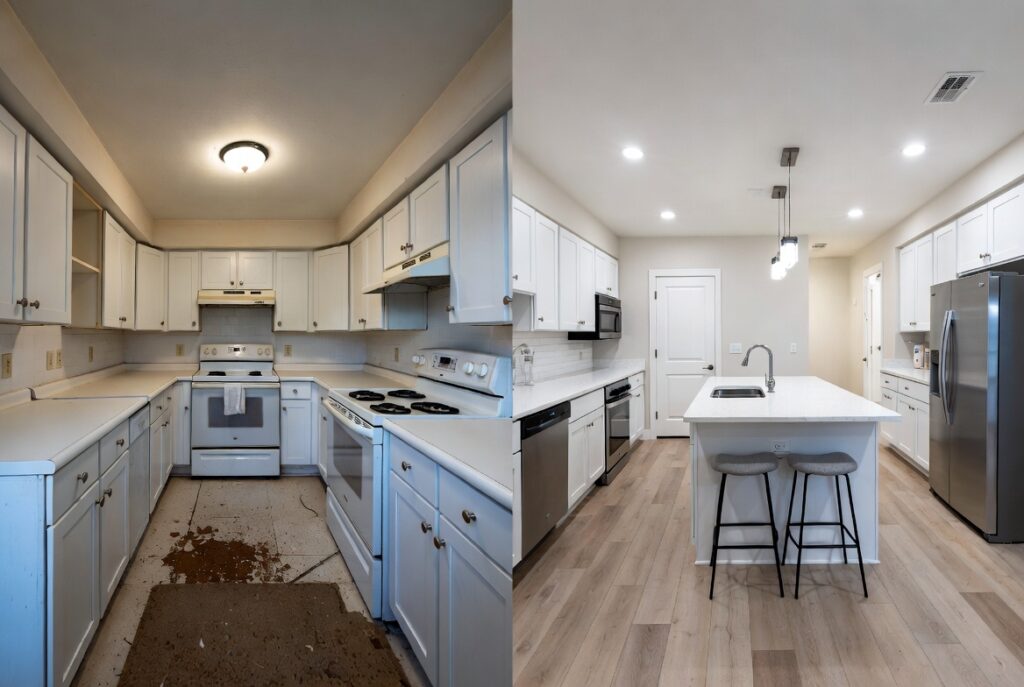
Ready to Sell As Is in Maryland? Get Both Numbers First.
The smartest move before committing to fix-up or as-is: get an honest estimate of what each path actually nets. James will give you his cash offer on the spot and his read on what the open market would pay — so you can make a clear-eyed decision.