One of the most common questions I get from Southern Maryland sellers is some version of: “Do I have to tell buyers about that?” It’s a fair question, and the honest answer is that Maryland law is more specific than most people realize.
Here’s a plain-English breakdown of what to disclose when selling a house in Maryland, what you can legally stay quiet about, and what happens if you get it wrong.
If you want the full seller cost picture alongside your disclosure obligations, the Southern Maryland seller cost guide covers commissions, transfer taxes, withholding, and net proceeds.

What does Maryland law actually require?
Maryland Real Property Code § 10-702 governs seller disclosures for single-family homes improved by four or fewer units. The law applies to most residential resales, but not to brand-new construction, foreclosure sales, sheriff’s sales, or transfers through an estate.
If the law applies to your sale, you must deliver a written disclosure or disclaimer statement to the buyer before they sign the contract, not at closing, not “whenever.” Before the ink goes on the contract.
Disclosure vs. disclaimer: what’s the difference?
Maryland gives sellers two paths:
- Disclosure statement. You fill out the state form and report the condition of specific systems, to the best of your actual knowledge.
- Disclaimer statement. You sell “as is” and make no representations about the property’s condition.
The catch with the disclaimer: even selling “as is,” you must still disclose any latent defects you actually know about, meaning hidden material problems a buyer couldn’t find through a careful visual inspection and that would pose a direct health or safety threat. You can’t use “as is” as a shield for a known mold problem in a sealed crawl space or a failing septic system you’ve been patching for years.
If a buyer raises concerns after inspection and walks, and you are not sure what your next step is, the guide on what to do when your house is not selling in Maryland covers your options including price adjustments, repairs, and relisting strategy.
My advice: most sellers are better served by a full disclosure statement. It creates a clear record of what you knew and when, and tends to result in fewer post-closing disputes.
What specific items are on the Maryland disclosure form?
The state form, developed by the Maryland State Real Estate Commission, requires you to address the following categories based on your actual knowledge. You are not required to hire inspectors or conduct independent testing just to fill it out.
Water and sewer systems
Source of household water (public, well, shared), water treatment systems, and sprinkler systems. If you’re on a well or septic, buyers will want to know the last time they were tested or pumped, disclosing what you know here prevents surprises later.
Structural systems
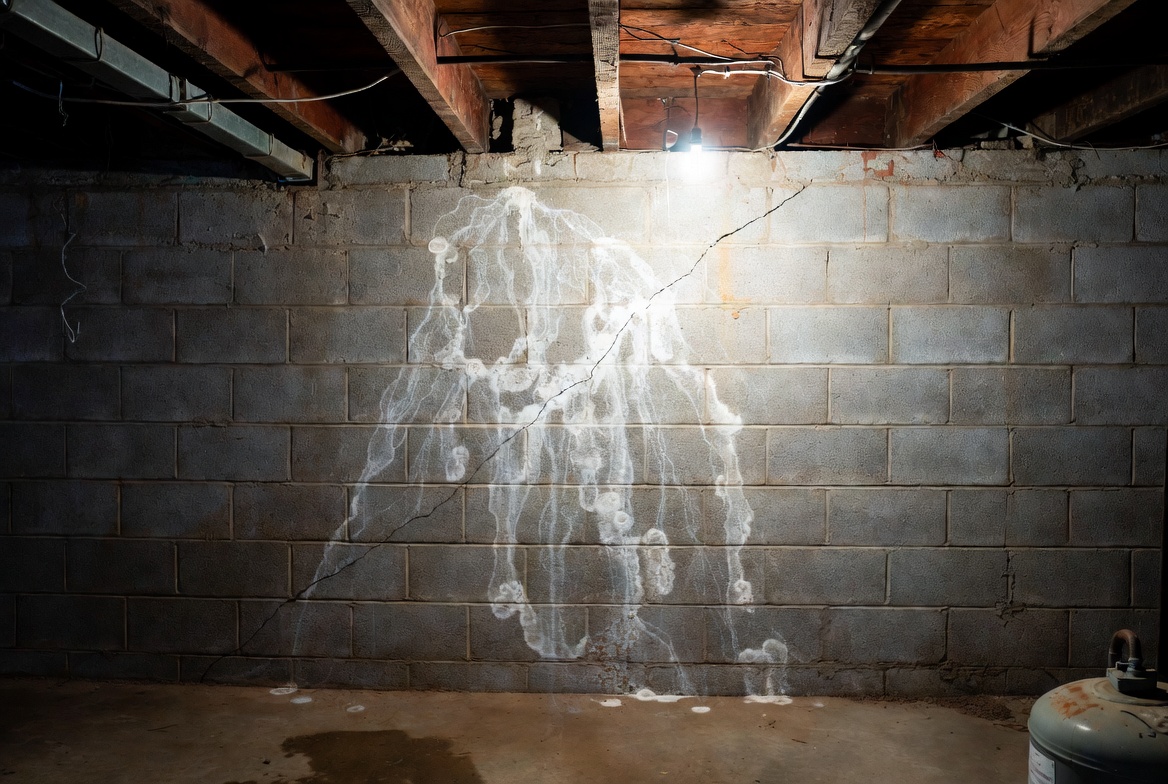
Roof, walls, floors, foundation, and any basement. Known leaks, settling, cracking, moisture intrusion, all of this goes here. This is the category where sellers most often face post-closing disputes by staying quiet about something they knew.
Mechanical systems
Plumbing, electrical, heating, and air conditioning. If the HVAC is 20 years old and struggling, that’s material. If you’ve had a recurring electrical issue, that’s material. Disclose what you know.
Wood-destroying insects
Known or prior infestation of termites or other wood-destroying insects, and any treatment history you’re aware of.
Hazardous and regulated materials
This includes asbestos, radon, underground storage tanks, and proximity to licensed landfills. Lead-based paint gets its own separate federal disclosure (see below). If you’ve had a radon test done and know the result, you need to disclose it. Keep in mind that disclosed environmental items can affect buyer negotiations, which factors directly into your seller closing costs in Maryland.
Land use matters
Zoning violations, nonconforming uses, easements, encroachments, flood zone status, Chesapeake Bay Critical Area designation, historic district restrictions, and whether any improvements were built without proper permits. In Southern Maryland, Critical Area and wetlands designations come up more often than sellers expect, if you know your property has restrictions, disclose them.

Smoke alarms and carbon monoxide alarms
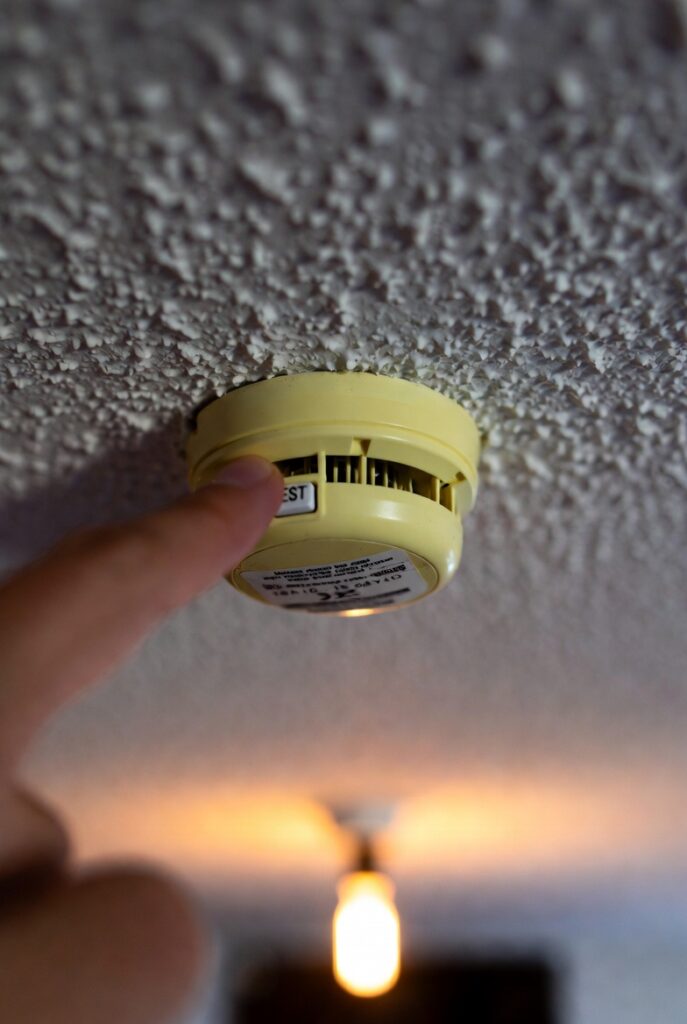
Maryland added these to the form specifically. You must disclose whether smoke alarms will provide an alarm during a power outage, whether they are over 10 years old, and whether battery-operated units are the sealed, tamper-resistant long-life type required statewide since 2018. If your home uses any fuel-burning appliance, gas furnace, gas dryer, oil heat, anything combustion-based, you must also confirm a carbon monoxide alarm is installed.
Any other material defects
This is the catch-all: anything else you know about that a buyer would consider material to their decision. When in doubt, disclose it. The legal exposure from hiding something you knew is far worse than any negotiation over a disclosed issue.
Is there a separate lead paint disclosure?
Yes, and it’s federal, not state. If your home was built before 1978, the EPA requires a separate Lead-Based Paint Disclosure. You must disclose any known lead-based paint hazards, provide the EPA pamphlet “Protect Your Family from Lead in Your Home,” and give the buyer a 10-day window to conduct a lead inspection before they’re bound by the contract (they can waive this in writing).
This applies to virtually all pre-1978 resales, regardless of whether you believe lead paint is present. The pamphlet and addendum are standard parts of any Maryland residential transaction, your agent should handle this automatically.
What about HOA disclosures?
If your property is part of a homeowners association, you must disclose that relationship, the current fees and assessments, the HOA rules and bylaws, and any known upcoming special assessments. Buyers have a right to review these documents and can rescind under certain conditions if they aren’t provided on time.
What do you NOT have to disclose in Maryland?
Maryland law explicitly protects sellers from having to disclose whether a prior occupant had HIV or AIDS, whether the property was the scene of a death (natural, accidental, or suicide), or whether a felony occurred on the property.
You’re also not required to investigate things you don’t know about. The standard is actual knowledge, you report what you know, not what you theoretically might find if you dug around.
When does the disclosure have to be delivered?
Before the buyer signs the contract. If a buyer signs without having received the form, they have an unconditional right to rescind the contract within 5 days of receiving it, and to get their deposit back immediately. Deliver the form before the offer is signed, not after.
What happens if you don’t disclose something you knew?
Failing to disclose a known defect, especially a latent one that later causes the buyer harm, can result in the buyer suing for fraud, misrepresentation, or breach of contract. Signing a disclosure form saying you had no knowledge of an issue when you actually did makes the legal exposure worse, not better.
That said, the law also protects honest sellers. If you genuinely didn’t know about a problem, you’re not liable for it. The statute specifically limits liability to things within your actual knowledge.
The bottom line on what to disclose when selling a house in Maryland
Walking sellers through the disclosure form is one of the first things I do on every listing, not as a legal formality, but because getting it right protects you and sets clear expectations with buyers from day one. A disclosed issue is a negotiation. An undisclosed issue is a lawsuit.
If you’re thinking about selling in Charles, Calvert, St. Mary’s, or anywhere in Southern Maryland and want to talk through what your situation looks like, including how much you’ll net from the sale. I’m happy to have that conversation.
Frequently asked questions about what to disclose when selling a house in Maryland
Does what to disclose when selling a house in Maryland change for older homes?
Yes, meaningfully. If your home was built before 1978, federal law adds a mandatory lead-based paint disclosure on top of the Maryland state form. Homes built before the 1980s also commonly contain asbestos insulation, vermiculite attic fill, or older knob-and-tube wiring that would require disclosure if you have actual knowledge of those conditions. The age of your home doesn’t change the “actual knowledge” standard, but older homes typically give sellers more to know about.
What if I forgot to include something, am I automatically liable?
Not automatically. The key word in Maryland law is actual knowledge. If you genuinely didn’t know about a problem, you’re not liable for failing to disclose it. But if a buyer can later show you knew, through repair receipts, inspection reports, contractor invoices, or neighbor accounts, and didn’t disclose it, that exposure becomes potential fraud or misrepresentation. The practical rule: when in doubt, write it down. A disclosed issue is a negotiation. An undisclosed one is a lawsuit.
Does selling “as-is” eliminate my disclosure obligations?
No. “As-is” in Maryland means buyers accept the property in its current condition, but it does not eliminate your obligation to disclose known latent defects. A latent defect is a hidden material problem, one a buyer couldn’t find through a careful visual inspection, that poses a direct health or safety threat. A failing septic system, mold in a sealed crawl space, or a foundation issue you’ve been managing for years all qualify. The disclaimer removes your obligation to fix things. It does not remove your obligation to reveal them.
If you are considering selling as-is to avoid repairs, the full breakdown of what it costs and when it makes sense is in the Maryland as-is home sale cost guide.
What do Maryland sellers most commonly miss on the disclosure form?
The items that come up most often in post-closing disputes: smoke alarm age and battery type (sealed long-life units have been required statewide since 2018); Chesapeake Bay Critical Area designation (common on Southern Maryland waterfront and near-waterfront properties); unpermitted additions, sheds, or decks; and pending HOA special assessments that haven’t yet been billed. None of these are deal-killers when disclosed upfront, they’re routine items in the negotiation. Undisclosed, they’re the things that generate calls from buyers six months after closing.
Disclaimer: This post is for informational purposes only and does not constitute legal advice. For guidance specific to your situation, consult a licensed Maryland attorney or qualified real estate professional.